What does a balanced diet mean?
Definition of the balanced diet
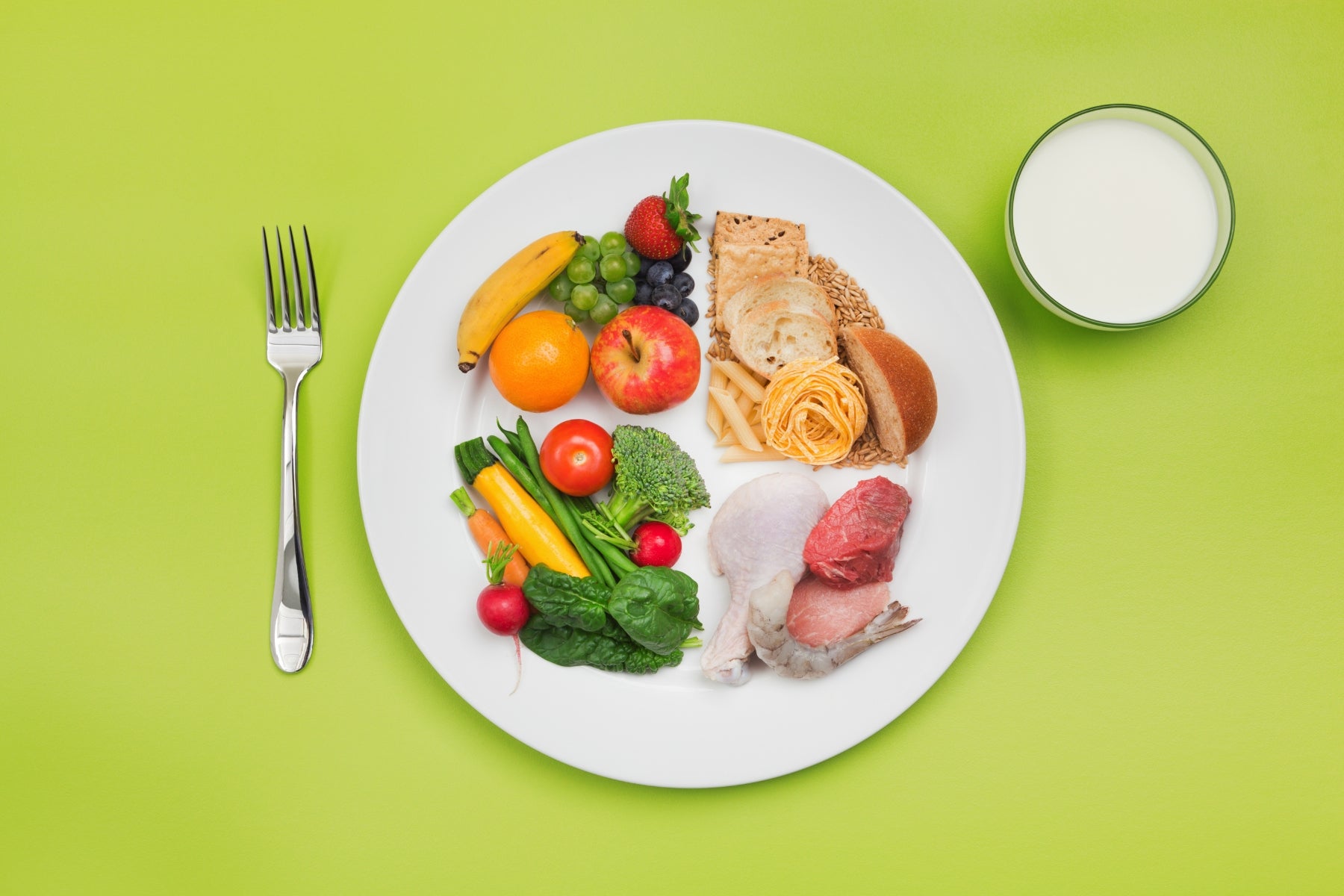
A balanced diet is a diet in which you give your body all the necessary nutrients in a balanced ratio. This means that you will find the right balance between carbohydrates, proteins, fats, vitamins, minerals and trace elements. A balanced diet provides your body with everything it needs to function optimally and stay healthy.
The importance of a balanced diet for health
A balanced diet is an essential factor for a healthy life. It can help to reduce your risk of chronic diseases such as heart diseases, diabetes and certain types of cancer. In addition, a balanced diet can increase your energy, improve your mood and strengthen your immune system. By giving your body the right nutrients, you help him to work optimally and protect yourself against diseases.
The role of nutrients in a balanced diet
The various nutrients play a crucial role in a balanced diet. Carbohydrates provide the body energy, proteins are important for the structure and repair of tissues, and fats serve as an energy reserve and help with the absorption of fat -soluble vitamins. Vitamins and minerals are essential for many physical functions, such as a strong immune system, healthy bones and blood formation. A balanced diet ensures that you consume the right amount of every nutrient.
Components of a balanced diet
Carbohydrates as energy suppliers
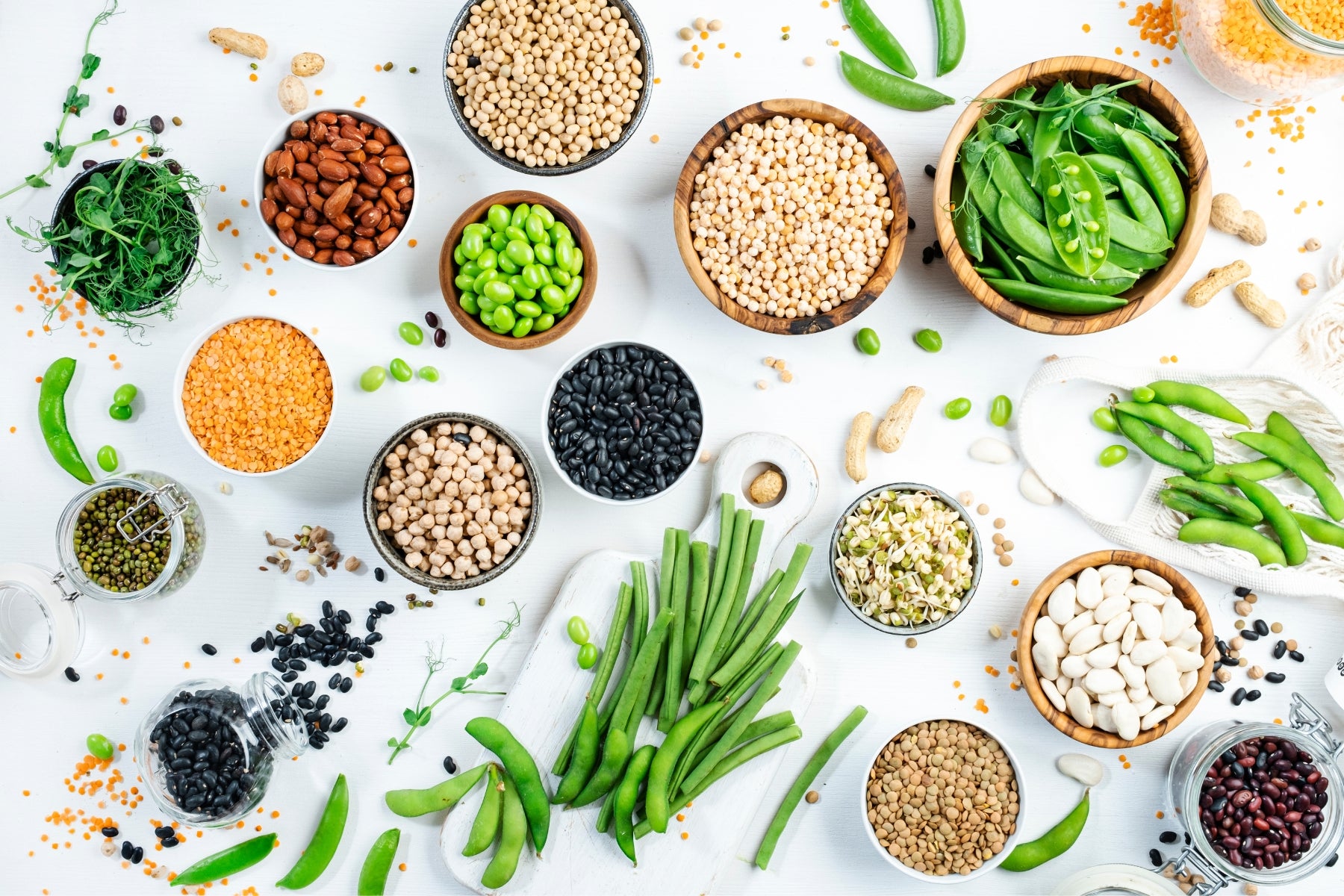
Carbohydrates are the main source of energy for your body. They are divided into simple and complex carbohydrates. You can find simple carbohydrates in foods such as fruit, milk and sophisticated sugar. Complex carbohydrates are contained in whole grains, legumes and vegetables. In a balanced diet, you should prefer complex carbohydrates because they contain more fiber, vitamins and minerals and fill them up longer.
Proteins for muscle building and cell repair
Proteins are the building blocks of your body. They are important for the structure and repair of muscles, organs and other body fabrics. High quality protein sources are lean meat, fish, eggs, dairy products, legumes and nuts. Make sure you include different protein sources in your diet to ensure that you get all essential amino acids.
Healthy fats for nutrient absorption
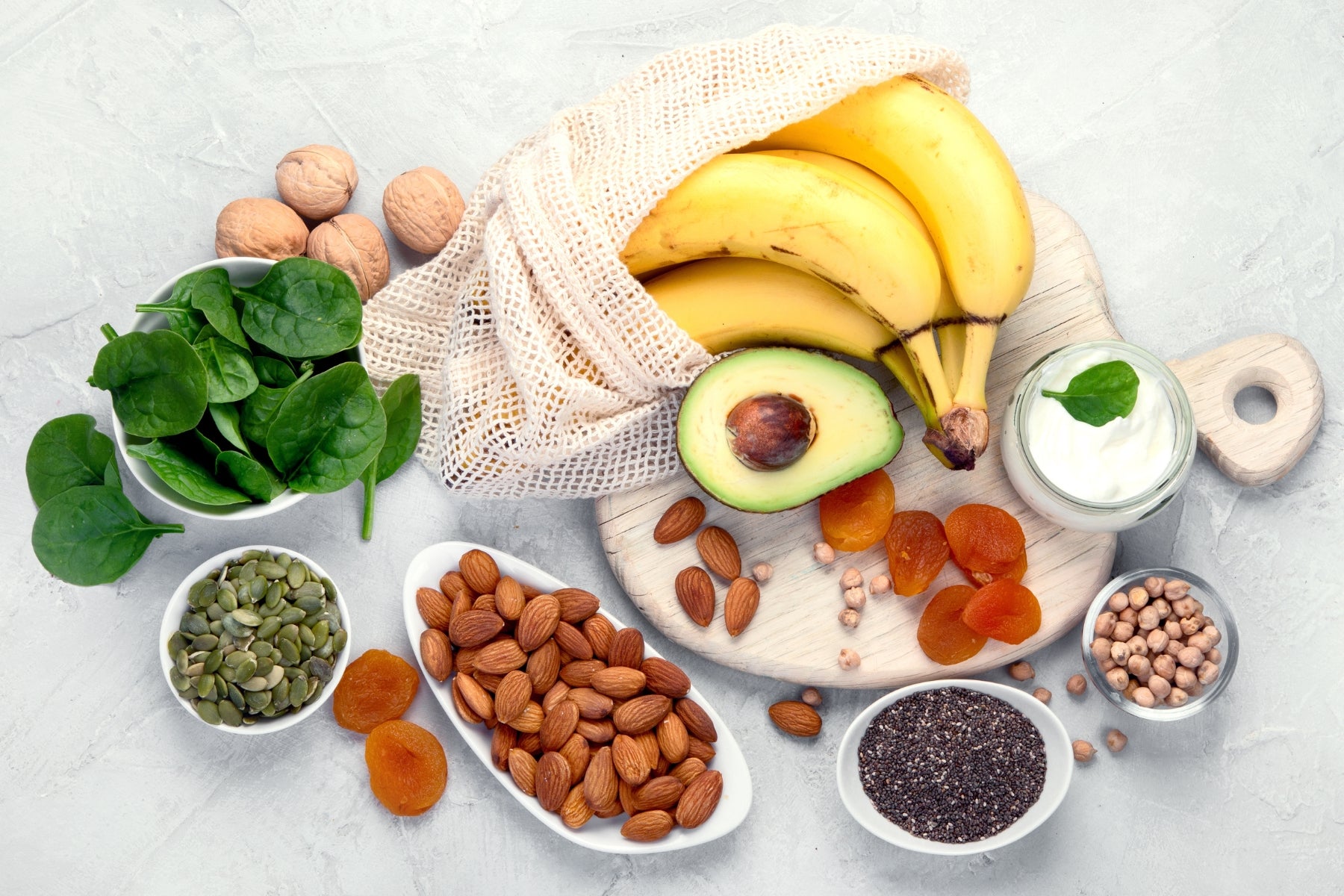
Fats have had a bad reputation for a long time, but they are actually an important part of a balanced diet. Healthy fats, such as simple and polyunsaturated fatty acids, are important for the absorption of fat -soluble vitamins, the production of hormones and the health of the brain. Good sources for healthy fats are nuts, seeds, avocados, olive oil and fat fish like salmon.
Vitamins and minerals for a strong immune system
Vitamins and minerals are essential for many body functions. They strengthen the immune system, support bone health, provide healthy skin and hair and much more. A balanced diet with lots of fruit, vegetables, whole grains and lean protein sources usually supplies you with all the necessary vitamins and minerals. In some cases, however, nutritional supplements can also make sense, for example during pregnancy or with a vegan diet.
Implementation of a balanced diet in everyday life
Tips for a varied diet
In order to implement a balanced diet in everyday life, variety is the be -all and end -all trying to have different food groups on your plate every meal. Select different types of fruit and vegetables, try new whole grain products and vary your protein sources. So you make sure that you consume all the necessary nutrients and your meals never get bored.
Planning and preparation of meals
Another important factor for a balanced diet is the planning and preparation of meals. Take some time to plan your meals for the week and create a shopping list. So you always have the right ingredients on hand and are less tried to grab too unhealthy ready meals. Prepare meals when you have time, for example on weekends. So you always have something healthy in the fridge during the week, even if it gets stressful.
The importance of fruit and vegetables
The stars should be fruit and vegetables on your plate. They are rich in vitamins, minerals, fiber and secondary plant substances that are all important for your health. Try to install at least one serving of fruit or vegetables with every meal. Also as a snack in between, fruit and vegetables are ideal. So you easily reach the recommended 5 portions per day.
Myths and facts about a balanced diet
Are carbohydrates really harmful?
There are many myths about carbohydrates. Some diets propagate the complete waiver of carbohydrates to lose weight quickly. But carbohydrates are not harmful per se. As with all nutrients, it depends on the type and quantity. Complex carbohydrates from whole grains, legumes and vegetables provide important nutrients and should be part of a balanced diet. You should only enjoy simple carbohydrates made of sugar and white flour products in moderation.
The importance of fiber
Fillers are often an underestimated nutrient. They occur exclusively in vegetable foods and cannot be digested by the body. Nevertheless - or precisely because of this - they are so important for health. Fillers promote healthy digestion, help weight control and can reduce the risk of chronic diseases such as diabetes and colon cancer. Good fiber sources are whole grain products, legumes, vegetables, fruit and nuts.
The difference between healthy and unhealthy fats
Not all fats are the same. Saturated and trans fats, which mainly occur in animal products and processed food, can increase the risk of heart diseases and other health problems in larger quantities. Unsaturated fats from plant sources, on the other hand, are important for health. They support the absorption of fat -soluble vitamins, the production of hormones and the function of the brain. So make sure to incorporate healthy fat sources such as nuts, seeds, avocados and olive oil into your diet.
The importance of water in a balanced diet
Why water is so important
Water is vital. It accounts for about 60% of your body weight and is involved in countless body functions. Water transports nutrients and oxygen to your cells, regulates body temperature, lubricates the joints and removes waste from the body. Without enough water, your body cannot function optimally. It is therefore important that you drink enough every day.
How much water should you drink every day?
The general recommendation is to drink about 1.5 to 2 liters of water per day. However, your individual needs may vary depending on factors such as height, activity level and ambient temperature. A good indicator of adequate fluid intake is the color of the urine - it should be light yellow. Dark urine can be a sign of dehydration. In addition to water, other drinks such as unsweetened teas and fruit teas are also part of the fluid intake. Water -rich fruit and vegetables also contribute to hydration.
Creative ideas to drink more water
It is difficult for many to drink enough. With a few simple tricks you can easily increase your fluid intake. Stand a carafe or bottle with water on the desk, so you always have your drink in view. If pure water is too boring for you, crush it with fruits, herbs or vegetables such as lemon, cucumber or mint. Sugar -free teas or diluted juice spritzer are also a good option. Get used to drink a glass of water for every meal. So you will automatically get closer to your daily goal.
The influence of nutrition on mental health
The connection between nutrition and mood
It is widely known that nutrition has an impact on physical health. But did you know that she is also closely related to your psychological constitution? Certain nutrients such as B vitamins, omega-3 fatty acids and minerals such as magnesium and zinc play an important role in the function of the brain and the production of neurotransmitters such as serotonin and dopamine that regulate the mood. A balanced diet can therefore help reduce stress, improve the mood and even reduce the risk of depression and anxiety disorders.
Foods that can improve the mood
Due to their nutrient composition, certain foods can have a particularly positive effect on the mood. This includes, for example:
- Dark chocolate: It contains theobromine and phenylethylamine that can raise the mood.
- Bananas: You are rich in vitamin B6 that is important for serotonin production.
- Fat fish: It delivers omega-3 fatty acids that have an anti-inflammatory effect and support brain function.
- Nuts: They contain minerals such as magnesium and zinc that can reduce stress.
- Whole grain products: They ensure a stable blood sugar level and thus for balanced energy and mood.
Of course, it is important to enjoy these foods as part of an overall balanced diet. A single "superfood" cannot compensate for an unhealthy diet.
How to avoid emotional food
Emotional food, i.e. food for reasons such as stress, boredom or sadness instead of physical hunger, is a common problem. In the long term, it can lead to obesity and a disturbed relationship with the food. In order to avoid emotional food, it is important to eat carefully and listen to the signals of your body. Only eat if you are really hungry and enjoy your food consciously. Find other ways to deal with negative feelings, such as sports, meditation or conversations with friends. Plan your meals in advance and have healthy snacks ready, so you are less susceptible to cravings.