
Vitamin K deficiency: symptoms, causes and treatment
Bruises for no reason, nosebleeds, gums that bleed when you brush? Vitamin K makes sure your blood clots, and bleeding more easily is the only proven symptom in adults. Find out which symptoms go with it, how much you need and where to find it.


Aktualisiert 30 September 2026 · 16 Min. Lesezeit · 66 Quellen

The key points in 30 seconds
DGE estimate for adults: women 60 to 65, men 70 to 80 micrograms. A handful of rocket or a tablespoon of parsley already covers that.
Around two thirds of a dose of vitamin K is excreted again after five days. Your body has no depot like it does for vitamin D, so it lives off a steady supply.
That's how much vitamin K every baby in Germany gets to protect against brain haemorrhage: at the U1, U2 and U3 check-ups. Without prophylaxis, around one in 14,000 fully breastfed babies bleeds.
Bruises, nosebleeds, bleeding gums, bleeding that carries on after injuries: in adults, this is the only reliable sign. Tiredness, muscle pain or hair loss aren't part of it.
Vitamin K deficiency symptoms: how to recognise it
In the liver, vitamin K activates clotting factors II, VII, IX and X. If it's lacking, blood clots more slowly, and in adults that's the only proven symptom: an increased tendency to bleed with bruises, nosebleeds, bleeding gums, bleeding that carries on after injuries, heavier periods and, in severe cases, blood in stool or urine. In healthy people who eat normally, a deficiency is rare; tiredness, muscle pain and hair loss aren't part of it.
First signs: bleeding that doesn't match the cause
The earliest sign is a mismatch: a palm-sized bruise from a knock you barely noticed, a shaving cut that won't stop, gums that bleed every time you brush. Factor VII has a half-life of just a few hours and drops first, which is why the Quick value shows a deficiency early (chapter 4). Frequent nosebleeds are also suspicious: several times a week, from both nostrils, lasting longer than a quarter of an hour despite pressure. In infants, a brain haemorrhage can be the first sign (chapter 7).
Vitamin K deficiency symptoms on the skin: bruises and bleeding into the skin
Typical signs are haematomas that are large and irregular and appear in places where you haven't knocked yourself, plus petechiae: pinhead-sized red dots that don't fade when you press a glass against them. In severe deficiency, you can get widespread bleeding into the skin (purpura). But bruises almost always have another cause: age (thinner skin, more fragile vessels), medication (aspirin, ibuprofen, cortisone, blood thinners), too few platelets or vitamin C deficiency. A vitamin K deficiency becomes likely if you also have bleeding from mucous membranes and a reason such as bowel disease, antibiotics or blood thinners. Vitamin K creams for dark circles under the eyes are cosmetics with no studies behind them, and "skin ageing caused by vitamin K deficiency" only applies to a rare genetic disorder.

Vitamin K deficiency symptoms in women
Women have one more symptom to look at: the period. A 2026 review summarises case reports in which unexplained heavy periods improved after a vitamin K deficiency was corrected; the author stresses that cause and effect haven't been proven. For heavy menstrual bleeding (menorrhagia, meaning more than 80 ml per cycle or lasting longer than seven days), vitamin K is part of the clotting work-up, but well behind fibroids and hormonal disorders. The second special case is severe pregnancy sickness: a systematic review found prolonged clotting time in 43% of the women (chapter 7). Hair loss, weight gain and menopause symptoms don't belong here, as there is no study to support them.
What really points to a vitamin K deficiency
The ten complaints people search for most often, and what the research says. Proven: a guideline, reference work or meta-analysis lists it as a sign of deficiency. Possible: observations or individual cases without a proven cause. Unproven: no primary source found.
| What the studies say | Rating | |
|---|---|---|
| Bruises, bleeding into the skin | Direct result of missing clotting factors; core symptom in the MSD Manual and guidelines | Proven |
| Nosebleeds, bleeding gums | Bleeding from mucous membranes is part of the classic picture of deficiency | Proven |
| Bleeding after surgery | Prolonged clotting time, low Quick value | Proven |
| Blood in stool or urine | Sign of severe deficiency; in infants, bleeding in the brain is possible | Proven |
| Heavy periods | Case reports with improvement after correction; 2026 review: no proven cause | Possible |
| Fractures, weak bones | Meta-analysis: fewer vertebral fractures with vitamin K, driven by 45 mg drug trials | Possible |
| Vascular calcification | Mechanism via matrix Gla protein is plausible, studies inconsistent | Possible |
| Mood, tiredness | Cross-sectional data only: high intake linked to less depression, no intervention study | Possible |
| Muscle pain, cramps | One RCT with K2 against night-time calf cramps in older people, with no proof of deficiency | Unproven |
| Thyroid, hair loss | No scientific primary source found; websites mention it without evidence | Unproven |
Rating based on the sources listed in chapter 8 (MSD Manual, AWMF guideline 024-022, Alfahl 2026, Salma 2022, Barrett 2018, Hashim 2025, Zhang 2023, Tan 2024). As of 23 September 2026.
Vitamin K2 deficiency symptoms: is that even a thing?
No, not as a condition in its own right. Vitamin K is a family: K1 (phylloquinone) from green plants, K2 (menaquinones) from bacteria, fermented foods and animal foods. For clotting, your liver uses both forms; if you eat enough K1, you won't bleed, even if you take in hardly any K2. The idea behind the search is that K2 is responsible for bones and blood vessels, because it activates osteocalcin and matrix Gla protein. That's true biochemically, but these aren't noticeable symptoms. They're blood markers, which are incompletely activated in many healthy people (chapter 7).
Vitamin K deficiency and mental health, muscle pain, thyroid: what's true?
For none of the three is a deficiency symptom proven. Mental health: A systematic review in 2025 confirms the US observation above, but it remains cross-sectional data. Muscle pain: The only good study is a 2024 RCT with 199 people over 65, in which 180 µg K2 reduced night-time calf cramps, with no proven deficiency; that shows a capsule effect, not a deficiency symptom. Cramps point more towards magnesium, potassium or vitamin D. Thyroid: There isn't a single primary study on this.
Bruises plus bleeding from the mucous membranes, together with Marcumar, antibiotics or a bowel, gallbladder or liver condition: see your doctor promptly for a Quick value (INR) and blood count. Call 112 for black stool, blood in your urine, bleeding that doesn't stop after 20 minutes, or an infant vomiting blood.
Causes of vitamin K deficiency: who is really at risk
Like vitamin A, vitamin K is fat-soluble: it needs fat in your meal, bile acids and enzymes from the pancreas to get from your gut into your blood. Gut bacteria make a little K2, but it contributes very little. A deficiency arises in four ways: too little intake (rare), impaired absorption in diseases of the gut, bile ducts and pancreas, medication that blocks or binds vitamin K, and a liver that no longer produces the clotting factors.
Gut, bile ducts, pancreas: when fat isn't digested
The most common cause in adults is malabsorption: vitamin K arrives, but isn't absorbed because fat is poorly digested. In one study of people with cystic fibrosis and a weakened pancreas, 78% had a vitamin K deficiency in their blood, and everyone did when they also had liver disease. The risk is also higher after short bowel surgery and gastric bypass. Other causes include bile duct obstruction, coeliac disease, Crohn's disease, chronic inflammation of the pancreas and persistent diarrhoea. If you have one of these diagnoses and bruise easily, get your Quick value checked; the cystic fibrosis guideline explicitly recommends it.
Vitamin K deficiency and the liver: a real shortage or a production problem?
With bile duct obstruction, vitamin K is genuinely missing, because without bile no fat is absorbed. Here, giving vitamin K helps, usually as an injection. With advanced liver cirrhosis, the liver can no longer make enough of the clotting factors itself. According to a 2019 review, impaired production of the clotting proteins is the main cause there, and vitamin K does not reliably lower the INR value. So if you have cirrhosis and poor clotting values, you usually don't have a deficiency that you could simply top up.
Medication: Marcumar, antibiotics, colestyramine, orlistat
- Vitamin K antagonists (phenprocoumon in Marcumar and Falithrom, warfarin) block the enzyme that recycles vitamin K: an intended, functional deficiency despite a full supply, controlled via the INR value (Chapter 7).
- Certain antibiotics: cephalosporins with an NMTT side chain (cefoperazone, cefotetan) inhibit the same enzyme; a Taiwanese health insurance study found a 71% higher risk of bleeding. Broad-spectrum antibiotics taken for weeks also disrupt the gut bacteria that produce K2.
- Fat binders: colestyramine binds bile acids, and orlistat blocks fat digestion by around 30%; both reduce the absorption of all fat-soluble vitamins.
- High-dose vitamin E from supplements can slow down vitamin K and so disrupt clotting.
Too little vitamin K in your food is rare: in the EPIC-Heidelberg cohort of 25,540 adults, average intake was 94 µg K1 plus 35 µg K2 a day, well above the 60 to 80 µg recommended by the DGE. The people affected are those who eat almost no vegetables, oil or dairy for months: in severe eating disorders, artificial nutrition, old age, intensive care and dialysis.
How vitamin K works in the body
Three stations from plate to wound. Once you know them, you'll understand why your reserves last only a few days, why Marcumar targets exactly this point and why K1 and K2 do the same job.
Absorption in the small intestine
Vitamin K1 is found in the green leaves of plants; vitamin K2 is made by bacteria: in cheese, sauerkraut, natto, and in small amounts in the large intestine. Both are fat-soluble. In the small intestine they are packed together with bile acids and fat into tiny droplets, taken up by the intestinal wall and carried into the blood via the lymph. Only a few per cent of the vitamin in raw spinach makes it through; with a little oil or butter, it's three times as much.
The liver uses it up and recycles it
In the liver, vitamin K activates clotting factors II, VII, IX and X. It gets used up in the process and is refreshed by an enzyme, the vitamin K cycle. This is exactly the enzyme Marcumar blocks. There's hardly any store: around two thirds of a dose is excreted after five days. K1 disappears from the blood within hours, while the K2 from natto (MK-7) stays much longer, with a half-life of about 68 hours.
Effect: clotting, bones, vessels
When you're injured, activated factors form a plug within minutes. If they're missing, blood seeps into the tissue: the bruise. Outside the liver, vitamin K activates two more proteins: osteocalcin, which builds calcium into bone, and matrix Gla protein, which keeps calcium deposits out of the vessel walls. In many people, both are only partly activated; what that means in the long term is still being researched.
Identifying a vitamin K deficiency: blood values and tests
Vitamin K itself is almost never measured: the blood level swings with your last meal. What gets measured is what vitamin K does: clotting, as the Quick value or INR.
Quick value and INR: the standard test
The Quick value measures how fast blood clots after a tissue factor is added, as a percentage of a norm; in healthy people it sits between 70 and 120%. It responds to factors II, VII and X, and because factor VII breaks down fastest, the value drops early when there's a deficiency. The INR is the same measurement on a different scale (normal is around 1.0). A low Quick value alone doesn't prove a vitamin K deficiency, as a diseased liver lowers it too. Factor V tells the two apart: it's normal in vitamin K deficiency and low in liver damage.
Five tests that reveal a vitamin K deficiency
From the standard test at every surgery to specialist markers used in research. For most people, the first row is enough.
| What is measured | What it tells you | Where to get it | |
|---|---|---|---|
| Quick value / INR | Clotting time, dependent on factors II, VII, X | Only picks up a deficiency once factors are clearly reduced, but is fast and available everywhere | Any GP surgery, result the same day |
| Factor V | Factor that doesn't depend on vitamin K | Tells vitamin K deficiency (normal) apart from liver damage (low) | Lab on request |
| PIVKA-II | Inactive precursor of factor II | Shows a subclinical deficiency before clotting reacts; in one study 41% abnormal where the level showed only 18% | Specialist lab, mainly for liver and gut diseases |
| Vitamin K1 level | Phylloquinone in plasma, normal 0.4 to 1.2 ng/ml | Swings with your last meal and blood fats, so says little on its own | Specialist lab |
| ucOC / dp-ucMGP | Non-activated osteocalcin and matrix Gla protein | Markers for bones and blood vessels, no reference values for healthy people, research parameters | Studies and specialist clinics |
| Koller test | Quick value before and after a dose of vitamin K | If the value rises, it was vitamin K deficiency; if it stays low, the liver is the cause. Rarely needed today | Hospital |
Based on the KBV laboratory recommendations 2023/2024, the Konakion MM product information (2018) and the TransplantLines study 2021. Whether your health insurer covers any of these tests depends on the reason for testing and is clarified at the surgery.
The Quick value has one weakness: it only reacts once factor activity has fallen below roughly 45%. For mild deficiencies there's PIVKA-II, the inactive precursor of factor II that builds up as soon as the liver runs short of vitamin K. In a study of 44 infants with bile duct obstruction, 41% had raised values, but only 18% had a low vitamin K level. For everyday purposes, the Quick value is enough.

Vitamin K deficiency test: who needs one and what home tests can do
Not everyone needs to test: in healthy people with no signs of bleeding, the Quick value is almost always normal, and a vitamin K level from an online pharmacy just measures your last salad. Testing makes sense when signs of bleeding coincide with a risk factor: coeliac disease, Crohn's disease, cystic fibrosis, bile duct obstruction, gastric bypass, longer courses of antibiotics, colestyramine or orlistat, artificial nutrition, liver disease. The only home test is an INR self-testing device for people on blood thinners, after training and on prescription. The most honest self-test is in Chapter 6: if you get over 60 µg a day and have no absorption disorder, you don't need a blood test.
No vitamin K supplements or D3-K2 combinations in the days beforehand, as they skew the result. Bring a list of your medication, especially blood thinners, antibiotics, fat binders and supplements; if you're on Marcumar, bring your INR record book. If you have signs of bleeding, ask for a blood count too: too few platelets cause the same bruises.
Treating vitamin K deficiency: what helps
A confirmed vitamin K deficiency is a rewarding diagnosis: it can be fixed within hours, and the treatment is cheap with few side effects. There are two parts: topping up vitamin K, as drops, tablets or an injection, and removing the cause, otherwise the deficiency is back within a week. Without a deficiency, extra vitamin K does nothing.
Vitamin K as a medicine: drops, tablets, injection
The standard is phytomenadione (vitamin K1), sold in Germany as Konakion in 2 mg (drops for children) and 10 mg (adults). According to the product information, it starts working 1 to 3 hours after intravenous administration and 4 to 6 hours after swallowing; in life-threatening bleeding, clotting factor concentrates are added. The only relevant side effect concerns rapid infusion: in 6,572 intravenous doses there were two anaphylactoid reactions, which is why it's injected slowly. An overdose of K1 is not known.
Vitamin K is the nutrient where order matters: first the clotting test, then the cause, then the supplement. If you take K2 capsules without a diagnosis, you're topping up a barrel that isn't empty. And if you take Marcumar, you don't start a vitamin K supplement on your own, and you don't overhaul your diet overnight.
Joerg Hauke, Nutrition expert, professional review of this article
Treating the cause: gut, bile, medication
The Koller test doubles as treatment: give vitamin K, then measure the Quick value the next day. If it rises, it was a deficiency. With coeliac disease, the gut lining heals on a gluten-free diet. With Crohn's disease and cystic fibrosis, vitamin K is often replaced long term. With bile duct obstruction, an injection bypasses the bile. With fat binders, it helps to leave a gap of several hours before a meal rich in vitamin K. With liver cirrhosis, the rule is: if the Quick value stays low despite vitamin K, the liver is the problem.
Vitamin K2 overdose and side effects: what is too much?
In healthy people, an overdose is practically impossible: EFSA has set no upper limit, and even 10 mg K1 daily and 720 µg MK-7 over two years caused no side effects. Vitamin K doesn't make your blood “thicker”: 90 µg MK-7 over 30 days changed neither clotting times nor factor activities, so the thrombosis warning you find online has no basis. It's different with vitamin K antagonists: according to the BfR, even less than 10 µg MK-7 a day can disrupt Marcumar dosing. That's why it proposes a maximum of 80 µg K1 and 25 µg K2 per daily dose.
Taking vitamin D and K2 together: what the studies say
If you take vitamin D at a normal dose, you don't need K2 with it. The idea: vitamin D increases calcium absorption, and K2 is supposed to steer calcium into your bones instead of your blood vessels. In July 2026, the Verbraucherzentrale (consumer advice centre) wrote: “At present, no reliable recommendation can be made on taking vitamin D and vitamin K together.” The vessel studies were mixed (chapter 7). If you take K2 anyway, stay under the BfR's 25 µg and avoid it on Marcumar. The BfR warns against D3-K2 bolus supplements.
Vitamin K foods: where you'll find the most
Vitamin K is the nutrient where the table is almost the treatment. Vitamin K1 sits in green leaves: the darker the green, the more. Rapeseed and soya oil contain a small amount. Vitamin K2 is made by bacteria: in aged cheese, sauerkraut, egg yolk and above all natto. The bars show the top 10 of both groups per 100 g, as they end up on your plate.
Vitamin K per 100 g: top 10 plant-based (K1) and animal-based/fermented (K2)
Per 100 g cooked or raw, USDA SR Legacy 2018. Parsley and cress lead because they contain hardly any water. In portions: 1 tbsp parsley 66 µg, 150 g spinach 740 µg, 150 g broccoli 212 µg, a handful of rocket 22 µg. Depending on the source, kale ranges from 419 to over 1,100 µg (variety, harvest, light).
Vitamin K2 foods: cheese, egg yolk, natto
Aged cheese is the everyday K2 source: Gouda after 13 weeks has 66 µg, Emmental 43, Cheddar 24 and Brie 13 µg per 100 g. Low-fat versions have clearly less, and fat-free yoghurt has none at all. Egg yolk has 48 µg per 100 g, so one egg is around 8 µg. Sauerkraut has only 5 µg K2. The clear winner is natto: one tablespoon covers your daily requirement ten times over. For clotting, K1 from vegetables is enough. If you want K2 for your bones and vessels, you'll find it in cheese and eggs (chapter 7).
Absorb it better with fat: spinach plain or with oil?
With oil, because vitamin K is firmly bound in the chloroplasts of the leaves. In studies, raw spinach delivered only 4% of the amount that the same dose of free vitamin K1 gets into the blood; with butter, uptake rose to three times that. So: oil in the dressing, butter on the kale. Cooking does no harm, as vitamin K is heat-stable. It is sensitive to light, so store leafy vegetables and oils somewhere dark and cool.
Fruit and vitamin K: banana, tomato, kiwi
Banana: 0.5 µg per 100 g, practically nothing. Tomato: 8 µg, so one covers a tenth of your needs. Kiwi is the exception: 40 µg per 100 g, and one fruit gives you 30 µg. Next come avocado with 21 µg, blackcurrants with 30, and blueberries and blackberries with 20 each. Apple, pear, orange and pineapple are under 5 µg, rolled oats are at 2, white rice is at zero and low-fat yoghurt has none. Two kiwis a day would cover your needs, but a handful of salad is easier.

Vitamin K in everyday life: drinkable meals
On days without salad, vegetables or a cheese sandwich, your main source is missing, and your body only stores vitamin K for a few days. A drinkable meal is then a reliable top-up: depending on the flavour, one bottle of Saturo provides 17 to 24 µg of vitamin K, which is 23 to 32% of the reference amount of 75 µg, plus 25 other vitamins and minerals. It doesn't replace treatment for a diagnosed deficiency. On Marcumar the same rule applies as with salad: no need to avoid it, but keep it steady rather than sporadic.

Drinkable meal: a complete meal in a bottle
26 vitamins and minerals, including vitamin K, vitamin D and calcium. Vitamin K contributes to normal blood clotting and to the maintenance of normal bones. Reference value for vitamin K: 75 µg per day (NRV). If you take vitamin K antagonists, keep your intake regular rather than sporadic, and talk to your doctor.
Newborns, Marcumar, bones: who needs to take a closer look at vitamin K
In healthy adults, vitamin K is unremarkable. Three groups are the exception: newborns, because they come into the world without any reserves; people on Marcumar, because their vitamin K is deliberately held back; and anyone interested in bones and blood vessels, because research there is still ongoing.
Vitamin K deficiency bleeding in newborns: why prophylaxis matters
Babies are born with almost empty vitamin K stores: the vitamin barely crosses the placenta, and breast milk contains only 2.5 µg per litre. Without protection, vitamin K deficiency bleeding is a risk in three forms: early, in the first 24 hours; classic, on days 2 to 7, from the navel, nose or gut; and late, between weeks 2 and 12. The late form is the most dangerous, because it often starts as a brain haemorrhage without warning. Without prophylaxis, the German Drug Commission puts the figure at around 7 in 100,000 breastfed babies; with standard prophylaxis it was 0.44 in 100,000.
The German guideline (AWMF 024-022, as of 2016, under revision, content still valid) provides for three doses of 2 mg vitamin K by mouth at the first three check-ups.

Alternatively, a single 1 mg injection after birth, which is the safer option for sick and premature babies and for bile duct obstruction.
Vitamin K prophylaxis according to the German guideline
-
Birth (U1)
2 mg vitamin K orally
Straight after birth, usually still in the delivery room or at the first examination. For sick newborns, premature babies under 1,500 g or bile duct obstruction, 1 mg is given instead as an injection into the muscle, because absorption through the gut is then unreliable.
-
Day 3 to 10 (U2)
2 mg vitamin K orally
Second dose at the U2, usually at the paediatrician's practice or still in the hospital. If your baby had the injection at birth, this dose isn't needed.
-
Week 4 to 6 (U3)
2 mg vitamin K orally
Third and final dose. It protects against the late form, which can occur in fully breastfed babies between weeks 2 and 12. Premature babies under 1,500 g also get 1 mg weekly until then.
-
After that
Nothing more needed
Once your baby is eating solid food and their gut flora is growing, they make up their own supply. Infant formula is fortified with vitamin K; according to the DGKJ, at an intake of 50 µg a day or more, deficiency bleeding practically no longer occurs.
According to the DGE, pregnant and breastfeeding women need 60 µg a day, the same as other women, because the baby gets its vitamin K through prophylaxis; supplements for the mother don't replace it. If the mother takes antiepileptics, coumarins or tuberculosis drugs, the baby gets the prophylaxis as an injection.
Vitamin K and Marcumar: eat consistently instead of avoiding it
Phenprocoumon (Marcumar, Falithrom) blocks the enzyme that recycles vitamin K; vitamin K from food counteracts this, which is where the myth of the vitamin K diet comes from. According to TU München, even 500 g of spinach only has a negligible effect on clotting, so there's no need to give up cabbage, broccoli or liver; the only thing to avoid is a sudden change in either direction. DOACs (apixaban, rivaroxaban, edoxaban, dabigatran) work independently of vitamin K, so there's no dietary rule for them.
If you take vitamin K antagonists, foods containing vitamin K and drinkable meals aren't off limits, but they are a factor in your INR setting. The BfR (German Federal Institute for Risk Assessment) recommends seeking medical advice before taking supplements containing vitamin K. In everyday life: regular rather than now and then, and no sudden changes.
Bones, osteoporosis and calcified arteries: what K2 can and can't do
Bones: A 2022 meta-analysis of 20 studies found 58% fewer vertebral fractures with vitamin K, driven by Japanese studies using 45 mg of MK-4 a day. The effect hasn't been shown for off-the-shelf capsules, and the German osteoporosis guideline advises against K2 as a treatment. Blood vessels: Only activated matrix Gla protein keeps calcium out of the vessel wall. Intervention results have been mixed: AVADEC (720 µg MK-7, two years) showed no effect, while VitaK-CAC 2026 (360 µg) showed slower growth in coronary calcium.
People who live vegan are the best-supplied group for vitamin K1. K2 from cheese and eggs drops out, which doesn't matter for clotting. In older age the requirement rises slightly (80 µg for men, 65 µg for women from 51), and the risks are too few vegetables, antibiotics and fat binders. After a gastric bypass or small bowel resection, checking your clotting is part of aftercare.
Frequently asked questions about vitamin K deficiency
What are the signs of a vitamin K deficiency?
Through an increased tendency to bleed, and nothing else: bruises after minor knocks, nosebleeds and bleeding gums, wounds that keep bleeding, heavier periods, and in severe deficiency blood in your stool or urine. In babies, a brain haemorrhage can be the first sign. Tiredness, muscle pain or hair loss aren't proven symptoms.
Which organ makes vitamin K?
None. Vitamin K1 comes from green plants, K2 from bacteria, including those in the large intestine; their contribution is limited, though, so if you eat too little K1, you can still slip into a deficiency despite your gut flora. The liver doesn't make vitamin K, it uses and recycles it.
How do I meet my vitamin K needs?
With a portion of green veg or salad a day and a bit of fat alongside; a tablespoon of oil in the dressing triples absorption. 150 g of broccoli provides 212 µg, a small rocket salad around 30 µg. Because your body only stores vitamin K for a few days, what counts is that daily handful.
How does a vitamin K deficiency affect mental health?
None that are proven. In observational studies, people with a high vitamin K intake had fewer depressive symptoms, but those are snapshots that don't show cause and effect. There's no study showing that vitamin K improves mood. If you have no signs of bleeding, the cause lies elsewhere.
How is a vitamin K deficiency treated?
With vitamin K1 (phytomenadione) as drops, tablets or an injection; it starts working within a few hours. What matters is the cause: bile duct obstruction, bowel disease, antibiotics or fat binders, otherwise the deficiency comes back. Without a confirmed deficiency, vitamin K does nothing for you.
When shouldn't you take vitamin K?
Never without talking to your doctor first if you take vitamin K antagonists such as Marcumar, Falithrom or warfarin: even 10 µg of K2 a day can throw off your INR level, and K2 is about 3.5 times as potent as K1 in this case. Otherwise there are no bans, but no reason to take it either: vitamin K isn't toxic, but it's useless without a deficiency.
Does vitamin K help with nosebleeds?
Only if the cause is a vitamin K deficiency, meaning a low Quick value (prothrombin time), for example with bowel disease or after a long course of antibiotics. If your clotting is normal, extra vitamin K does nothing. Frequent nosebleeds usually have other causes: dry mucous membranes, nasal spray, aspirin or high blood pressure.
Can vitamin K2 cause thrombosis? Does vitamin K thicken the blood?
In healthy people, no. Clotting is a regulated system that extra vitamin K doesn't ramp up: 90 µg of MK-7 over 30 days changed neither clotting times nor clotting factor activity, and authorities haven't set an upper limit. It's different on Marcumar: there, vitamin K cancels the brake that's intentionally applied, and that's the real danger.
Sources · 66 sources anzeigen
- German Nutrition Society (DGE): Reference values for nutrient intake, vitamin K. D-A-CH reference values 2015, derivation 2000.
- EFSA NDA Panel: Dietary reference values for vitamin K. EFSA Journal 2017; 15(5): 4780.
- German Federal Institute for Risk Assessment (BfR): Proposed maximum levels for vitamin K in foods, including food supplements. Opinion 2021, confirmed 2024.
- German Federal Institute for Risk Assessment (BfR): Updated proposed maximum levels for vitamins and minerals in food supplements and fortified foods. Opinion 006/2024.
- German Federal Institute for Risk Assessment (BfR): Taking high single doses of vitamin D via food supplements at intervals of days or weeks poses health risks. Opinion 031/2025.
- Regulation (EU) No 1169/2011 (Food Information Regulation), Annex XIII: Reference intakes for daily intake (vitamin K 75 µg).
- European Commission: EU Register on nutrition and health claims made on foods (vitamin K: normal blood clotting, maintenance of normal bones).
- Shearer M. J., Fu X., Booth S. L.: Vitamin K Nutrition, Metabolism, and Requirements: Current Concepts and Future Research. Advances in Nutrition 2012; 3(2): 182–195.
- Schurgers L. J. et al.: Vitamin K-containing dietary supplements: comparison of synthetic vitamin K1 and natto-derived menaquinone-7. Blood 2007; 109(8): 3279–3283.
- Frontiers in Medicine 2022: The Relationship Among Intestinal Bacteria, Vitamin K and Response of Vitamin K Antagonist: A Review of Evidence and Potential Mechanism.
- Mihatsch W. A. et al.; GNPI, DGKJ, DGGG, DGPM, BVKJ, DHV: S2k guideline on prophylaxis of vitamin K deficiency bleeding (VKDB) in newborns. AWMF register 024-022, as of 03/2016, under revision.
- Nutrition Commission of the DGKJ: Vitamin K prophylaxis in newborns. Monatsschrift Kinderheilkunde 2013; 161: 351–353.
- Drug Commission of the German Medical Association (AkdÄ): Cerebral haemorrhage in an infant after inadequate vitamin K prophylaxis. Deutsches Ärzteblatt 2015; 112(41): A1687.
- Puckett R. M., Offringa M.: Prophylactic vitamin K for vitamin K deficiency bleeding in neonates. Cochrane Database of Systematic Reviews 2000; CD002776.
- Nijsten K. et al.: Hyperemesis gravidarum and vitamin K deficiency: a systematic review. British Journal of Nutrition 2022; 128(1): 30–42.
- Alfahl S.: The Impact of Vitamin K Deficiency on Menorrhagia: A Narrative Review. Clinical and Experimental Obstetrics and Gynecology 2026; 53(4): 49254.
- Salma et al.: Effect of Vitamin K on Bone Mineral Density and Fracture Risk in Adults: Systematic Review and Meta-Analysis. Biomedicines 2022; 10(5): 1048.
- Shiraki M. et al.: Vitamin K2 (Menatetrenone) Effectively Prevents Fractures and Sustains Lumbar Bone Mineral Density in Osteoporosis. Journal of Bone and Mineral Research 2000; 15(3): 515–521.
- Barrett H. et al.: Is Matrix Gla Protein Associated with Vascular Calcification? A Systematic Review. Nutrients 2018; 10(4): 415.
- Hashim M. H. et al.: Exploring the Link Between Vitamin K and Depression: A Systematic Review. Medicina 2025; 61(5): 861.
- Zhang Y. et al.: Association between vitamin K intake and depressive symptoms in US adults: NHANES 2013–2018. Frontiers in Nutrition 2023; 10: 1102109.
- Tan J. et al.: Vitamin K2 in Managing Nocturnal Leg Cramps: A Randomized Clinical Trial. JAMA Internal Medicine 2024; 184(12): 1443–1447.
- Vanakker O. M. et al.: Low serum vitamin K in PXE results in defective carboxylation of mineralization inhibitors similar to the GGCX mutations in the PXE-like syndrome. Laboratory Investigation 2010; 90: 895–905.
- MSD Manual, Professional Edition: Vitamin K deficiency.
- Rashid M. et al.: Prevalence of vitamin K deficiency in cystic fibrosis. American Journal of Clinical Nutrition 1999; 70(3): 378–382.
- Krzyżanowska P. et al.: Vitamin K status in patients with short bowel syndrome. Clinical Nutrition 2012; 31(6): 1015–1017.
- Sherf-Dagan S. et al.: Vitamin K, what is known regarding bariatric surgery patients: a systematic review. Surgery for Obesity and Related Diseases 2019; 15(8): 1402–1413.
- AWMF S2k guideline: Diagnosis of cystic fibrosis, register 026-023, as of 11/2023.
- Aldrich S. M., Regal R. E.: Routine Use of Vitamin K in the Treatment of Cirrhosis-Related Coagulopathy: Is it A-O-K? Maybe Not, We Say. Pharmacy and Therapeutics 2019; 44(3): 131–136.
- Chen L. J. et al.: Use of Hypoprothrombinemia-Inducing Cephalosporins and the Risk of Hemorrhagic Events: A Nationwide Nested Case-Control Study. PLOS ONE 2016; 11(7): e0158407.
- Shearer M. J. et al.: Mechanism of Cephalosporin-induced Hypoprothrombinemia. Journal of Clinical Pharmacology 1988; 28(1): 88–95.
- Vitamin E-induced coagulopathy in a young patient: a case report. 2023, PMC10035195.
- Paulus M. C. et al.: Vitamin K: a potential missing link in critical illness, a scoping review. Critical Care 2024; 28: 212.
- Elliott M. J. et al.: Assessment of Potential Biomarkers of Subclinical Vitamin K Deficiency in Patients with End-Stage Kidney Disease. Canadian Journal of Kidney Health and Disease 2014; 1: 13.
- Kassenärztliche Bundesvereinigung (KBV): Isolated reduction in Quick value. Recommendations for laboratory diagnostics, as of November 2023.
- Kassenärztliche Bundesvereinigung (KBV): Isolated prolongation of PTT. Recommendations for laboratory diagnostics, as of June 2024.
- CHEPLAPHARM Arzneimittel: Summary of product characteristics, Konakion MM 10 mg (phytomenadione), as of 06/2018.
- CHEPLAPHARM Arzneimittel: Summary of product characteristics, Konakion MM 2 mg (phytomenadione), as of 06/2018.
- Boer A. K. et al.: Kidney Function-Dependence of Vitamin K-Status Parameters: Results from the TransplantLines Biobank and Cohort Studies. 2021, PMC8467091.
- Gressner A. M., Gressner O. A.: Koller test. Lexikon der Medizinischen Laboratoriumsdiagnostik (Encyclopaedia of Medical Laboratory Diagnostics), Springer.
- Riegert-Johnson D. L., Volcheck G. W.: The incidence of anaphylaxis following intravenous phytonadione (vitamin K1): a 5-year retrospective review. Annals of Allergy, Asthma and Immunology 2002; 89(4): 400–406.
- Merck Manual Professional Version: Vitamin K Toxicity.
- Verbraucherzentrale: Is vitamin D better with vitamin K2? FAQ, as of 15 July 2026.
- Diederichsen A. C. P. et al.: Vitamin K2 and D in Patients With Aortic Valve Calcification: A Randomized Double-Blinded Clinical Trial (AVADEC). Circulation 2022; 145(18): 1387–1397.
- Two Years of Menaquinone-7 Supplementation and Coronary Artery Calcification: A Randomized Clinical Trial (VitaK-CAC). JAMA Cardiology 2026.
- Hartley L. et al.: Vitamin K for the primary prevention of cardiovascular disease. Cochrane Database of Systematic Reviews 2015; CD011148.
- Geleijnse J. M. et al.: Dietary Intake of Menaquinone Is Associated with a Reduced Risk of Coronary Heart Disease: The Rotterdam Study. Journal of Nutrition 2004; 134(11): 3100–3105.
- Vitamin K2 (Menaquinone-7) supplementation does not affect vitamin K-dependent coagulation factors activity in healthy individuals. Medicine 2021; 100(23): e26221.
- Theuwissen E. et al.: Effect of low-dose supplements of menaquinone-7 (vitamin K2) on the stability of oral anticoagulant treatment: dose-response relationship in healthy volunteers. Journal of Thrombosis and Haemostasis 2013; 11(6): 1085–1092.
- Sconce E. et al.: Vitamin K supplementation can improve stability of anticoagulation for patients with unexplained variability in response to warfarin. Blood 2007; 109(6): 2419–2423.
- Rombouts E. K., Rosendaal F. R., Van Der Meer F. J.: Daily vitamin K supplementation improves anticoagulant stability. Journal of Thrombosis and Haemostasis 2007; 5(10): 2043–2048.
- Gebuis E. P. A. et al.: Vitamin K1 supplementation to improve the stability of anticoagulation therapy with vitamin K antagonists: a dose-finding study. Haematologica 2011; 96(4): 583–589.
- Technical University of Munich, Klinikum rechts der Isar, Institute for Nutritional Medicine: Vitamin K and anticoagulant medication. Patient information, as of April 2016.
- Deutsche Herzstiftung (German Heart Foundation): Marcumar: Do I have to avoid foods containing vitamin K?
- Heidelberg University Hospital, Internal Medicine III: Dietary advice for Marcumar.
- Heidelberg University Hospital, Medical Clinic III: Vitamin K in foods (table based on Souci/Fachmann/Kraut 2008).
- DocCheck Flexikon: Direct oral anticoagulants. As of 21 May 2026.
- Gijsbers B. L., Jie K. S., Vermeer C.: Effect of food composition on vitamin K absorption in human volunteers. British Journal of Nutrition 1996; 76(2): 223–229.
- Garber A. K. et al.: Comparison of phylloquinone bioavailability from food sources or a supplement in human subjects. Journal of Nutrition 1999; 129(6): 1201–1203.
- Vermeer C. et al.: Menaquinone Content of Cheese. Nutrients 2018; 10(4): 446.
- Fu X. et al.: Multiple Vitamin K Forms Exist in Dairy Foods. Current Developments in Nutrition 2017; 1(6): e000638.
- Walther B. et al.: Menaquinones, Bacteria, and the Food Supply. Advances in Nutrition 2013; 4(4): 463–473.
- Agroscope: Determination of Menaquinones in Swiss Cheese Varieties.
- Kaneki M. et al.: Japanese fermented soybean food as the major determinant of the large geographic difference in circulating levels of vitamin K2. Nutrition 2001; 17(4): 315–321.
- Max Rubner-Institut: Bundeslebensmittelschlüssel (BLS) 4.0, version 2025 (vitamin K1 and K2).
- U.S. Department of Agriculture, Agricultural Research Service: FoodData Central, SR Legacy Release (2018). Vitamin K (phylloquinone, MK-4) per 100 g.
Has been writing for Saturo since 2019 about nutrition, nutrients and how to get good nutrient supply working in practice in everyday life.
Hat diesen Artikel am 23. September 2026 auf fachliche Richtigkeit geprüft. This content is not a substitute for medical advice.

Vitamin D deficiency: symptoms, causes and treatment
The vitamin that's so often paired with K2: why almost everyone is low on vitamin D in winter, which symptoms point to it and how much you really need.
Weiterlesen · 15 Min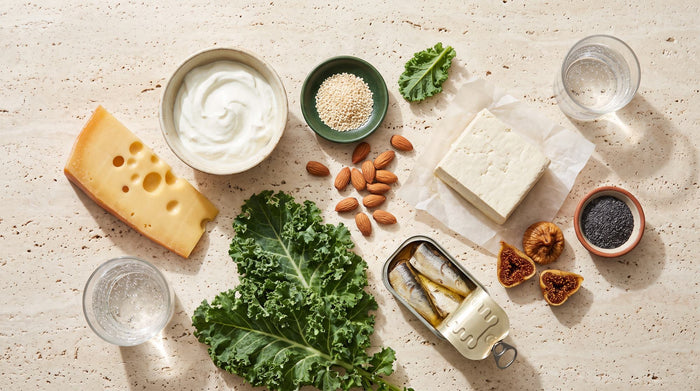
Latest from the guide
New articles, updates and tips straight to your inbox. Easy to understand, expert-reviewed, no spam.
Danke! Bitte bestätige die Anmeldung in deinem Postfach.